Learning
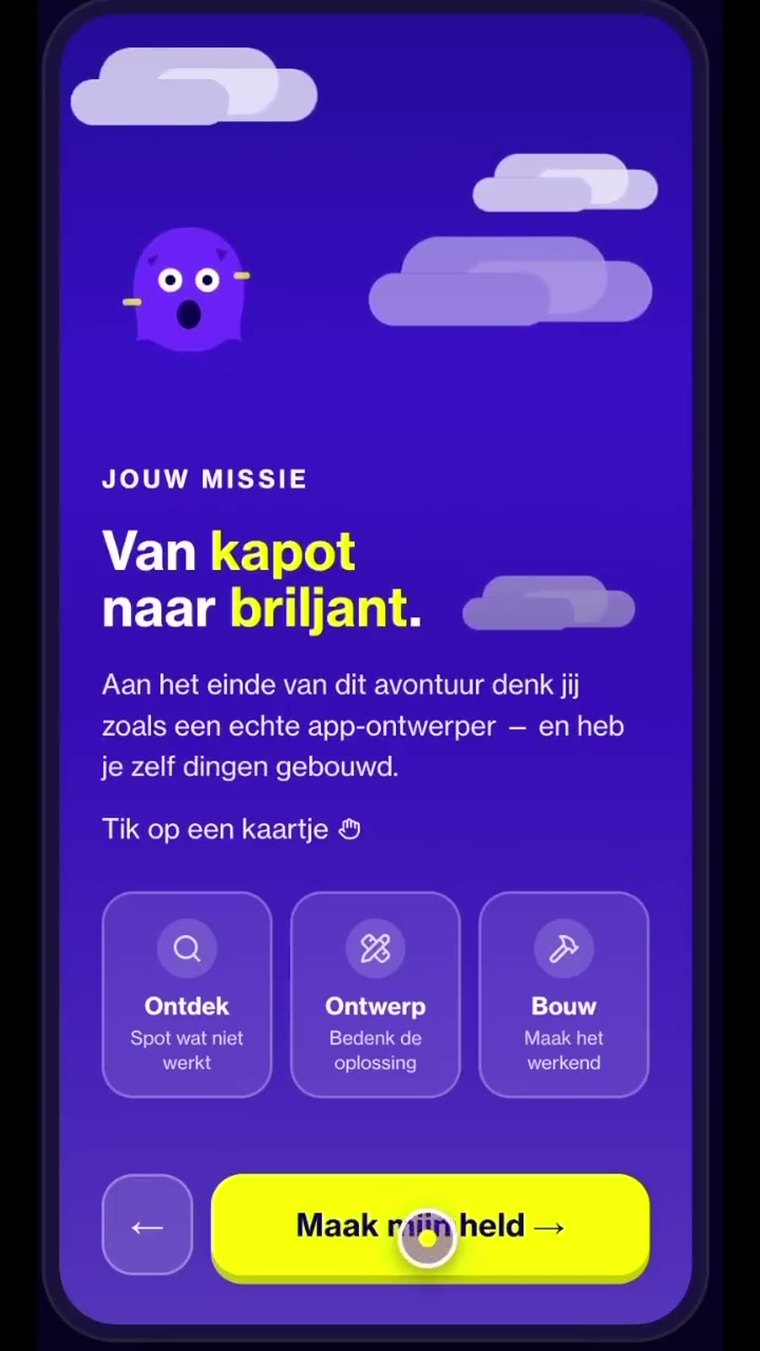
Techtok Missies
A game I'm building to teach kids to question and shape technology, not just use it. Live at techtok.me.
Read the case
I help teams work out what's genuinely worth building, make it real, and teach your people to use AI well enough to keep going without me. Twenty years of UX and systems judgement, AI as the accelerant.

Twenty years of UX and facilitation inside teams like
Every engagement starts from the real problem, its goals and its constraints. Which of these it becomes depends on what you need.
I find what's worth building, build it, and embed it so it gets used, not shelved. From a 90-minute Framing Session to a full build.
The build ladderVibe coding sessions, getting your team started with AI, and UX craft coaching. Always on a UX foundation, so the tools solve your real problems.
Training and coachingDecision sessions, design sprints and innovation days that get a team unstuck together, and end with a plan, not a wall of sticky notes.
Facilitated sessionsThe teams that get real value from new technology are the ones who understand their problem well enough to describe its edges. That is what my framing method is for: get the context, goals and constraints clear, build the first working solution, then teach your team the same shift in how they think.
Anyone can now generate something that looks like a product. Knowing what is safe to build, where data cannot leak, and what people will actually use: that is twenty years of ICT and UX, not a prompt.
Your security rules, your legacy systems, the things you don't know yet: those are not blockers, they are the constraints that tell you exactly what to build. Get them clear and the build follows fast.
I teach the same framing method against your real work, so your team keeps solving problems after I leave, instead of the tool sitting in a box.
The skill that matters now is being able to look at something broken and make the thing that fixes it, instead of waiting for someone else to. I help adults build that muscle inside their teams, coach it into the next generation of ICT professionals at Hogeschool Utrecht, and, with Techtok Missies, start kids on it early. I'm driven by making things that help people reach their goals.
Real products, taken from a problem worth solving to something people use. The same method I bring to twenty years of client work, applied to my own.
A game I'm building to teach kids to question and shape technology, not just use it. Live at techtok.me.
Read the case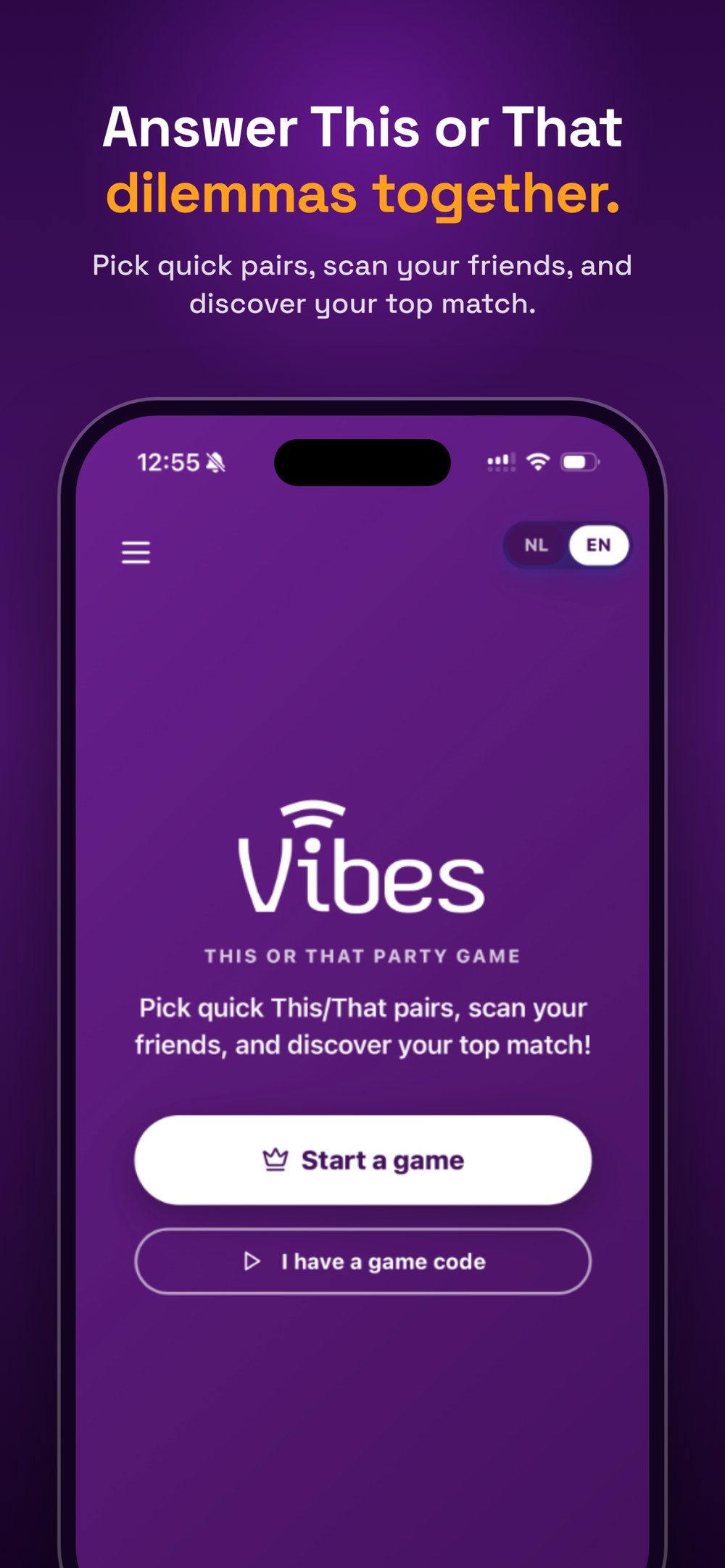
A group icebreaker that runs itself, no facilitator needed. I built it in days and shipped it to the App Store.
Read the case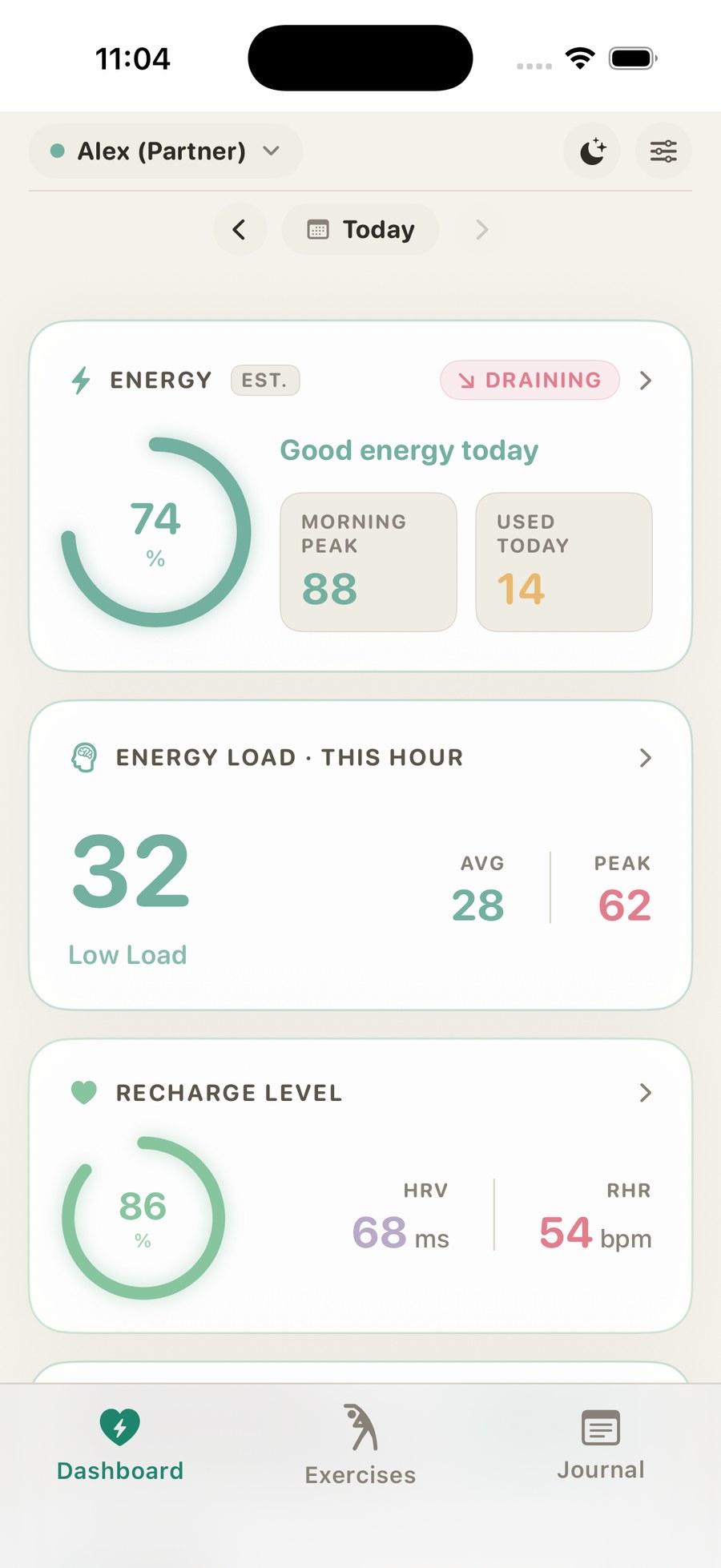
A lighter, friendlier way to read your own Apple Health data, without another tracker to feed.
Read the caseLeading UX research, design and facilitation across consumer products and e-commerce.
UX and UI coach for the Open-ICT programme, teaching the next generation of product people. Still there.
I am hands-on in every project here: framing, design and build. Not handed to someone else.
Start with a Framing Session. Ninety minutes to turn it into a brief you could build from.